Content Marketing 2025: Why AI + Human Teams Are the Secret to Unique Traffic
Makale içeriği
- Introduction: why 2025 is a point of no return for content marketing
- Why the ai + human duo beats ai alone or humans alone
- How companies set up collaborative processes in 2025
- How ai helps optimize traffic
- How ai improves headlines and snippets
- Optimizing publish timing with ai
- Keeping content unique when using ai
- Technical and organizational tools for 2025
- Case study: how one company grew traffic by 60% in six months
- Ethical and legal considerations
- Metrics and kpis for hybrid teams
- Checklist for implementing ai + human content processes
- Common mistakes and how to avoid them
- Practical techniques for copywriters working with ai
- How to train your team to work with ai
- The future of the duo: what to expect in the next 2–3 years
- Conclusion: how to start today
Introduction: Why 2025 Is a Point of No Return for Content Marketing
Let’s be honest: the content world has changed. In 2025 companies aren’t debating whether to use AI — they’re debating how to make AI work with people, not replace them. Hearing everyone talk about neural networks? That’s normal — it’s the hum of a motor getting louder. But what matters isn’t the noise; it’s the music the motor helps create.
I won’t promise instant miracles or claim AI will magically deliver millions of visits. Instead, this is a practical, hands-on guide: how to build processes so AI optimizes traffic, headlines, and publish timing while content stays original and teams keep control and creativity.
A quick but important note: I won’t help create materials designed to bypass AI-detection systems. Those methods damage trust, harm reputations, and break platform rules. Below you’ll find honest, useful advice on using AI responsibly and effectively in 2025.
Why the AI + Human Duo Beats AI Alone or Humans Alone
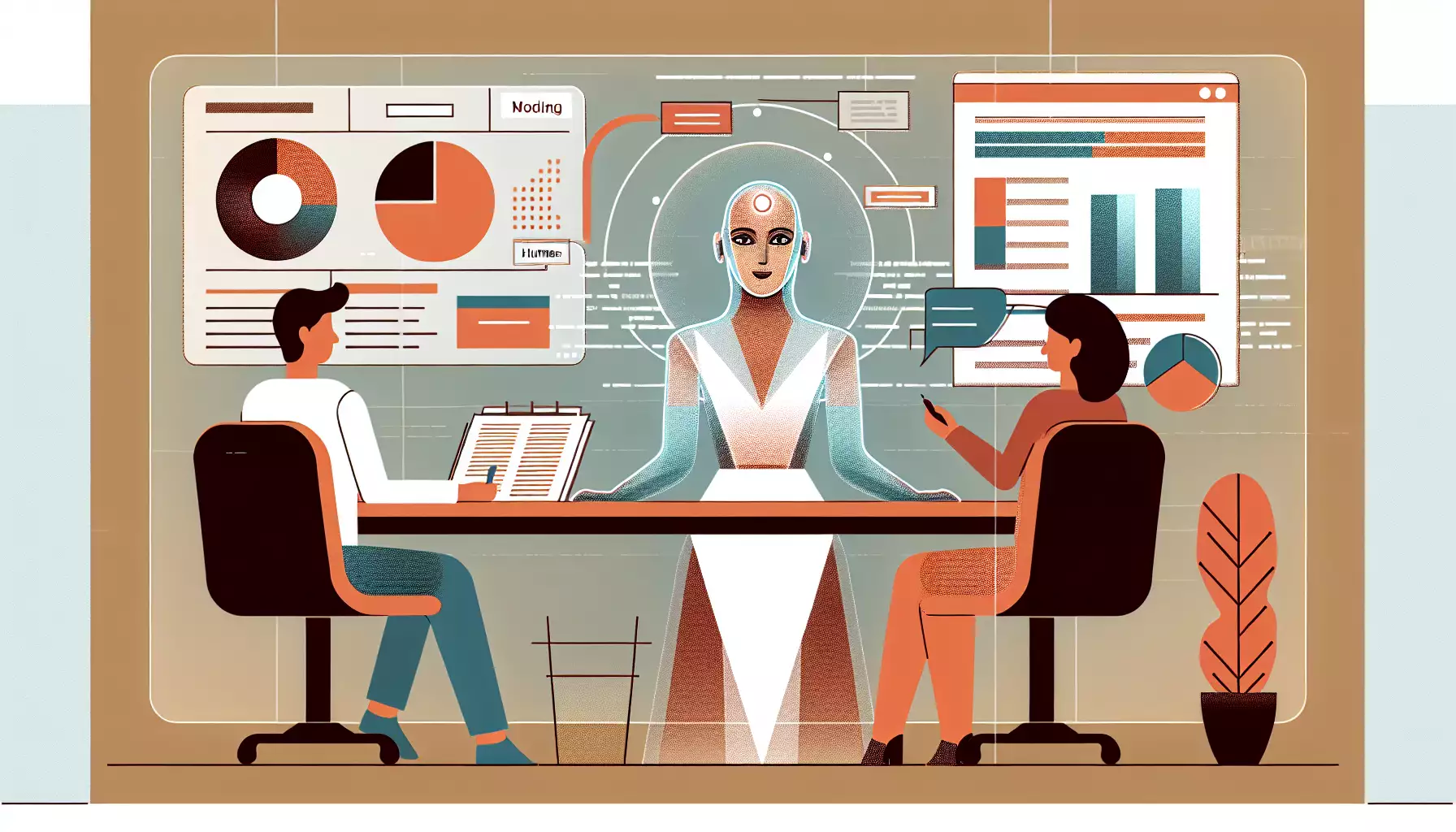
Imagine an orchestra. People are the conductor and soloists; AI is the section of instruments you can amplify, retune, and expand on demand. What happens if you keep only one part? You lose either the mechanics or the expressive range. AI quickly generates ideas, data, and variants; people add meaning, emotion, and tone — that human warmth that makes content relevant and memorable.
Why is this attractive for business? Because the combination delivers speed and scale without sacrificing quality. You can test hundreds of headlines, analyze click behavior, react to trends, and still keep the brand voice. Who wouldn’t want that duet?
Benefits of the AI + Human Duo
- Speed and scale: models process data and produce options far faster than people alone.
- Quality and meaning: copywriters add context, emotion, and fact checks.
- Resource efficiency: routine tasks get automated, freeing humans for creative work.
- Real-time A/B testing: AI supplies dozens of variants; humans pick the ones that fit brand and audience.
How Companies Set Up Collaborative Processes in 2025
Each company composes its own “score” for the orchestra, but core principles are similar. Below is a working template that has proved effective in real teams and adapts to different budgets and company sizes.
1. Centralized content hub
The idea is simple: funnel every idea, brief, and result into one system. That could be a dedicated platform, CRM, CMS, or a toolchain — but the point is a single source of truth. Without a hub AI generates content in a vacuum and writers edit based on outdated info.
What lives in the hub: briefs, audience profiles, brand guides, test results, traffic reports, and the editorial calendar. The hub is also where AI processes run: headline generation, keyword selection, and competitor analysis.
2. Roles and responsibilities: who owns what
To keep the duet from turning into chaos, roles must be clear:
- Content strategist: sets goals, KPIs, and the strategic direction.
- Copywriters: polish drafts, inject brand voice, verify facts, and create original content.
- AI engineer/tool specialist: configures models, integrations, and monitors output quality.
- Analyst: measures impact, optimizes traffic, and recommends publishing times from the data.
- Editor/content manager: final quality control and publication.
In an ideal workflow, AI supports every stage, but people make the key decisions and sign off on final quality.
3. Briefing and data preparation
AI performs best when it gets clear inputs. A brief isn’t a formality — it’s essential. What a brief must include: publication goal, target audience (pain points and tone), core messages, competitors, desired length, tone, and reliable sources for fact-checking.
Crucially, the data must be current (2025) and structured. Even a compact brief template dramatically improves AI output.
4. Integrating AI into the workflow: from idea to publication
A typical end-to-end process looks like this:
- The strategist defines topic and KPIs in the hub.
- AI generates keyword maps, topic ideas, draft outlines, and headline options.
- The copywriter selects a direction and writes a full draft, blending AI suggestions with original insights.
- The editor polishes style, checks facts, and ensures uniqueness.
- The analyst runs A/B tests on headlines and publication times, collecting results.
- Optimization: AI proposes adjustments based on outcomes; humans approve changes and plan next steps.
This cycle repeats and becomes a hybrid, continuous learning loop — like a living organism.
How AI Helps Optimize Traffic
Traffic optimization isn’t magic; it’s a set of systematic actions where AI acts as a super-fast analyst. What AI actually does:
Semantic analysis and contextual optimization
AI sifts huge volumes of search data fast: long-tail queries, seasonality, and local nuances. It maps topics and priorities, shows where competitors have gaps, and highlights queries you can realistically win.
Why that matters: writers find it easier to create content when they know exactly what questions the audience asks. It’s like fishing with a depth finder — no guessing where the fish are; AI shows the depth and concentrations.
Personalized recommendations
Models can segment audiences and suggest tailored copy for different groups: newcomers, returning visitors, B2B buyers, and so on. That increases relevance and CTR because people see content that answers their specific needs.
Budget allocation optimization
AI analyzes conversions by channel and recommends redistributing budget: boost where performance is strong, cut where returns are low. Think of it like routing deliveries around traffic jams — don’t send resources where they’ll get stuck.
How AI Improves Headlines and Snippets
The headline is the first contact point. AI can generate dozens of variations and test them. But not everything that gets clicks fits the brand. The best approach is collaboration, not automation alone.
Generating variants and A/B testing
The process is straightforward: AI suggests 20–50 headline options and categorizes them by emotion, length, and keyword density. The team narrows that to 3–5 candidates and runs A/B tests. Analytics show which headline drives clicks and traffic, but the editor — who understands the brand and ethics — makes the final decision.
Optimizing for snippets and SERP
AI can simulate how a snippet will appear in search results and suggest titles and meta descriptions that fit the format. This helps shape how your content looks in search — not just as a standalone article, but as a window into your story.
Optimizing Publish Timing with AI
When to publish is the eternal question. Don’t trust generic tips like “best at 10am.” Every niche has its own sweet spot. AI analyzes your audience’s behavior and interaction history to recommend the best times and frequency.
Forecasting audience activity
Models ingest analytics, social signals, and email engagement to detect patterns and propose high-probability time windows. It’s like having a weather forecast for content: you stop guessing the weather and start preparing for sun or storm in advance.
Automated scheduling and adaptation
CMS integrations allow automated publishing at chosen times and adjustments when audience behavior shifts. For example, if your audience moves toward evenings in November 2025, AI can recommend shifting posts to evening slots automatically.
Keeping Content Unique When Using AI
The biggest myth is “AI kills uniqueness.” In reality it depends on process. AI is a tool, not an author. Used well, AI can make content more original by expanding ideas and deepening research.
Fact-checking and sourcing
No model replaces careful verification. Writers and editors must validate data, cite sources, and correct errors. AI is useful for quick fact collection, but humans remain responsible for the truth.
Adding authorial perspective and case studies
Uniqueness increases when texts include real cases, observations, and expert comments. Those elements aren’t produced out of the box — they require experience and empathy. Imagine AI hands you a draft and you add your personal story: that creates content another company can’t replicate.
Editorial rules and blind checks
Teams use editorial checklists that include plagiarism checks, tonal uniqueness, and brand guide compliance. It’s quality control on an assembly line: everything goes through filters before publication.
Technical and Organizational Tools for 2025
Which tools do modern teams use? Below are categories and example tasks they solve.
Semantic and planning tools
- Automated keyword collection, topic clustering, and content calendar generation.
- Gap analysis against competitors and topic suggestions with high conversion potential.
Generation and editing tools
- Draft generation, idea lists, and headline variants.
- Automated meta descriptions and snippet suggestions.
Timing and optimization tools
- Audience activity forecasting and publishing time recommendations.
- CMS integration for automated publishing.
Quality control tools
- Plagiarism checks, fact-checking workflows, and brand compliance monitoring.
- Automated tone, readability, and structure checks.
Important: don’t try to implement every tool at once. Start with a few that solve critical needs: semantics, generation, and analytics. Scale from there.
Case Study: How One Company Grew Traffic by 60% in Six Months
To keep this practical, here’s a real example using the AI + human system. The company: a mid-sized ecommerce business selling home goods. Goal: boost organic traffic and sales in categories competing with market leaders.
Implementation steps:
- Collected keywords and found low-competition, high-commercial-potential topics.
- Generated 100 drafts with AI; copywriters shortlisted 40 and refined 20 into full articles.
- Optimized headlines with AI and ran A/B tests.
- Published at AI-recommended times and amplified initial reach via email.
- Monitored and reworked content after three months: AI suggested additions based on real queries.
Outcome: organic traffic up 60% and SERP CTR improved by 22% in six months. More importantly, the team learned to quickly relaunch processes and adapt to trends.
Ethical and Legal Considerations
With more AI use come questions: who owns the text, what about copyrights, how do you avoid misleading audiences and breaking platform rules? The answer is simple: transparency and responsibility.
Transparency and accountability
Many companies declare they used AI for ideation or draft generation while the final version is human-edited. That’s an honest approach that preserves trust and reduces legal risk.
Copyright and licensing
Check model and data licenses. Some solutions allow unrestricted commercial use; others come with caveats. In 2025 this matters more than ever as regulation around data and models tightens.
Metrics and KPIs for Hybrid Teams
Which metrics show whether the duo is working?
- Organic traffic: increased visits to priority pages.
- SERP CTR: impact of headlines and snippets.
- Conversions: signups, sales, and leads.
- Time on page and engagement: content readability and relevance.
- Speed to publish: time from idea to live content.
- Content quality: percentage of pieces passing editorial review without major edits.
Don’t chase every metric at once. Pick 3–4 core KPIs and optimize the process around them.
Checklist for Implementing AI + Human Content Processes
Here’s a practical checklist you can use right now:
- Create a centralized content hub with unified briefs.
- Assign roles: strategist, copywriter, AI engineer, analyst, editor.
- Collect and structure data (keywords, audience, competitors).
- Set up generation and analytics tools.
- Run a pilot with 10–20 pieces.
- Perform A/B tests on headlines and publish times.
- Enforce an editorial checklist for uniqueness and fact-checking.
- Track KPIs and adapt processes every 4–8 weeks.
Common Mistakes and How to Avoid Them
Even advanced teams make common errors. Here they are and how to avoid them:
1. Blind trust in AI
Mistake: treating AI output as final. Fix: always have a human verify and adapt content.
2. Missing brand guide in the brief
Mistake: losing brand voice. Fix: include real examples and language templates in the brief.
3. Insufficient fact-checking
Mistake: publishing incorrect info. Fix: mandatory human verification of key facts.
4. Ignoring post-publication analysis
Mistake: failing to iterate after publishing. Fix: regular KPI reviews and adjustments.
Practical Techniques for Copywriters Working with AI
Writers often fear neural networks. But like any tool, there are techniques that turn fear into advantage.
1. Use AI as an idea engine, not a scribe
Ask AI to generate 20 questions your audience might ask. Pick 3–5 and answer them honestly and in depth.
2. Add personal observations and micro-case studies
AI can gather facts, but your experience makes the text come alive. Record 2–3 short stories that illustrate the topic.
3. Use AI for structure and SEO, not for the final copy
After you get structure and keywords, write with human logic: clear headings, subheadings, lists, and readable paragraphs.
4. Adopt a “three-pass” habit
Pass one — AI for ideas. Pass two — writer crafts the piece. Pass three — editor and analyst verify and run A/B tests.
How to Train Your Team to Work with AI
Training is essential. Here’s a quick program that scales skills fast:
- Basic tool training (2–3 days).
- Hands-on sessions: generate ideas and write with AI (1 week).
- Case reviews: what worked and what didn’t (monthly).
- Experiment culture: give teams budget and time to test.
Remember: success depends less on technology and more on the people using it.
The Future of the Duo: What to Expect in the Next 2–3 Years
Which trends will shape the next stage of content marketing?
1. Deeper model integration
AI will be more embedded in CMS platforms, simplifying personalization and automatic tuning of materials for different audiences.
2. Voice and video as primary formats
Text will become part of a larger ecosystem. AI will convert copy into video scripts and podcast episodes, adapting style to each format quickly.
3. Stricter data regulation
Regulators will demand more transparency around data and model use — companies will adapt with more responsible practices.
4. Evolving KPIs
Firms will focus not only on traffic, but on long-term impact: trust, loyalty, and CLV (customer lifetime value).
Conclusion: How to Start Today
If you’ve read this far, you’re already ahead. Start small: pick a narrow topic, configure AI to generate keywords, and map a simple process: AI → writer → editor → publish → measure. Remember: the goal isn’t to replace people, it’s to make their work more meaningful and effective.
AI is neither a magic wand nor a scary monster. It’s a tool to amplify human talent. When people and machines play in sync, the music becomes layered, rich, and beautiful. Ready to conduct?
30-Day Action Plan
- Day 1–3: collect briefs and create a content hub.
- Day 4–10: roll out basic AI tools for keyword research and idea generation.
- Day 11–20: write and publish 5 test pieces, run headline A/B tests.
- Day 21–30: analyze results, refine processes, and scale what works.
Final thoughts
Content marketing in 2025 is about flexibility, responsibility, and creativity. AI brings speed and data; people bring meaning and emotion. Together they produce content that attracts, persuades, and stays in the mind. Start today, build processes, and never forget: the human reader — your client and your team — stays at the center.